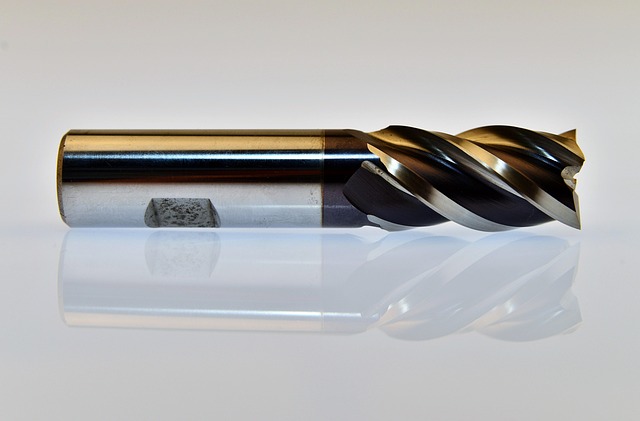
Lights out manufacturing is the practice of running CNC machines unattended, typically overnight or during off-hours. The machine runs a program while no operator is present. The goal is to increase machine utilization without increasing labor cost. A machine that runs 8 hours per day with an operator can run 16 or 20 hours with lights out operation.
I was deeply skeptical about unattended machining when I first started my shop. The idea of leaving a powerful machine running completely unattended overnight seemed unnecessarily risky and dangerous. After carefully implementing proper monitoring systems and robust failsafes for every risk, I now run unattended operations regularly and confidently. The extra production time gained from overnight operation effectively doubled my small shop capacity without buying a second expensive machine.
This comprehensive guide covers the essential requirements for safe unattended machining including tool monitoring systems, robust workholding strategies, coolant and chip management, program design for reliability, fire prevention, and remote monitoring.
What You Need for Lights Out Operation
Lights out machining requires reliable equipment, robust workholding, and comprehensive monitoring systems working together. The machine must be capable of completing the entire program without operator intervention. The workholding must hold every part securely through the complete cutting cycle. The monitoring system must detect problems as they develop and stop the machine automatically before damage occurs.
Tool monitoring is the most critical requirement for unattended operation. A broken tool during unattended operation ruins the current part and can damage the workpiece or machine components. The damage can occur before the operator discovers the problem the next morning. Tool breakage detection can be built into the program using tool length measurement between operations. The tool probe measures the length before each operation. If the tool length has changed because the tool broke, the machine stops before starting the next operation.
A tool life management system tracks how long each tool has been in use and replaces tools proactively before they fail. The CAM software assigns an expected tool life in minutes to each tool based on the material and cutting parameters. When the tool reaches its life limit, the machine stops or calls for a replacement tool from the tool changer. Tool life management prevents broken tools during unattended runs by replacing tools on schedule rather than waiting for failure.
Chip management is essential for unattended operation because chips accumulate without an operator to clear them. Chips that build up around the cutting zone can cause tool breakage, poor surface finish, or fire when machining aluminum. A chip conveyor or auger removes chips continuously throughout the cycle. For machines without chip conveyors, the program must include pauses at regular intervals to allow the chips to clear. The program can also include chip-breaking cycles that retract the tool periodically to break long chips.
Workholding for Unattended Operation
Workholding must be absolutely reliable for unattended operation. A part that shifts during cutting will be scrapped and may cause a tool crash that damages the machine. The workholding must hold every part securely with sufficient clamping force for the entire cutting cycle without loosening.
Hydraulic or pneumatic workholding is the preferred choice for unattended operation because the clamping force is consistent from cycle to cycle and can be monitored electronically. A pressure switch in the hydraulic circuit detects if the clamping pressure drops below the safe threshold and signals the machine to stop immediately. This prevents machining a part that is not securely held.
Manual clamps can be used for unattended operation if they are properly tightened and the program includes verification steps. A torque wrench ensures consistent clamp tightening across all clamps. The program should include a probing cycle that touches the workpiece surface and verifies the part is present and in the correct position before cutting begins. Probing catches parts that shifted during setup or clamps that were not tightened enough.
Multiple part setups increase the efficiency of unattended runs significantly. A tombstone fixture or pallet system allows multiple parts to be machined in a single program cycle. The machine changes tools and visits each part position in sequence. The setup time per part decreases while the unattended run time increases. A tombstone with four sides holding two parts each produces eight parts per unattended run.
Coolant and Chip Management
Coolant management is critical for unattended machining. The coolant system must have sufficient capacity for the entire run. A low coolant level sensor stops the machine before the coolant runs out. Without coolant, the tool overheats and fails within minutes.
The coolant concentration must be maintained at the correct level. A refractometer checks the concentration during setup. Low concentration reduces lubricity and causes tool wear. High concentration reduces cooling capacity and can cause overheating.
Chip management for unattended operation depends on the material and cutting parameters. Aluminum produces long stringy chips that can tangle around the tool and cause breakage. Chip breakers in the program or specialized chip-breaking tool geometries prevent long chips. A chip conveyor removes chips continuously throughout the cycle.
Steel and cast iron produce shorter chips that are easier to manage. A chip auger or conveyor system is still recommended for runs longer than a few hours. Chips that accumulate around the fixture can interfere with clamping on subsequent parts.
Coolant System Checklist for Unattended Runs
| Item | Check Before Each Unattended Run |
|---|---|
| Coolant level | Full tank, enough for entire run |
| Coolant concentration | Within spec (check with refractometer) |
| Coolant flow | No blockages in hoses or nozzles |
| Chip conveyor | Clear and operational |
| Chip bin capacity | Empty, enough for entire run |
Program Design for Unattended Operation
The CNC program for unattended operation must include automatic checks and failsafes that a human operator would normally handle during a attended run. The program should verify critical conditions at each stage of the process and stop immediately if anything is wrong. Writing a robust program is the foundation of successful lights out machining.
Include a tool measurement cycle at the start of every operation. The tool probe measures the tool length and diameter before cutting begins. If the measurement is outside the expected range, the program stops before any cutting occurs. This catches broken tools from the previous operation, incorrect tool loading by the tool changer, and thermal growth of the spindle during warm-up.
Include a part location probe cycle before the first cut on each part. The probe touches the workpiece surface at several points and verifies that the part is present and in the correct position. If the position is wrong or the part is missing from the fixture, the program stops and alerts the operator. This prevents cutting air or crashing the tool into the fixture.
Add intermediate probe cycles for long unattended runs that last several hours. A probe check every hour or every five parts verifies that critical dimensions are still within the specified tolerance. If a dimension drifts out of tolerance due to tool wear or thermal growth, the machine stops before producing additional scrap parts. The first part in a run is most likely to be within tolerance. The last part can drift if the machine heats up over the run.
Program adaptive feed rate and spindle load monitoring into the control loop. Most modern CNC controllers can monitor spindle load and feed rate in real time during cutting. If the spindle load exceeds the expected range for more than a few seconds, the controller reduces the feed rate automatically or stops the program. Spindle load monitoring detects tool wear before the tool actually breaks and prevents damage to the part and machine.
Fire Prevention
Fire is the most serious and frightening risk of unattended machining. The consequences of a fire during an overnight run are severe. Machining aluminum with coolant can produce hydrogen gas that accumulates and ignites. Machining steel without adequate coolant generates sparks that can ignite accumulated chip piles in the machine enclosure.
A fire suppression system is essential for any unattended CNC operation. A heat detector or smoke detector mounted inside the machine enclosure triggers a fire suppression system that floods the enclosure with extinguishing agent. The system also cuts electrical power to the machine to prevent the fire from spreading. Fire suppression systems for machine tools cost $500 to $2,000 and are worth every penny for the protection they provide.
Aluminum machining requires special attention to fire risk. The fine aluminum chips are highly combustible and can ignite if the cutting temperature exceeds the ignition point. Always use adequate coolant flow to keep the cutting temperature well below the ignition point. Do not allow aluminum chips to accumulate inside the machine enclosure. Clear chips between parts or use a chip conveyor that removes them continuously.
Keep a fire extinguisher rated for metal fires mounted near the machine where it is accessible. Class D extinguishers are specifically designed for combustible metal fires involving aluminum, magnesium, and titanium. Standard ABC extinguishers are not effective on metal fires and can actually spread the fire. Ensure every person working near the machine knows where the extinguisher is located and how to use it properly.
Monitoring Systems
Remote monitoring allows you to check the machine status from anywhere with an internet connection. A webcam pointed at the machine enclosure lets you see the cutting area, tool changer position, and chip accumulation condition. A networked camera costs $30 to $100 and provides peace of mind during unattended runs. Position the camera so it has a clear view of the cutting zone and the tool changer.
Machine monitoring software tracks spindle load, axis position, program status, and cycle time. The software sends an alert to your phone if the machine stops unexpectedly, the spindle load exceeds preset limits, or a program completes. Many modern CNC controllers include built-in web-based monitoring that can send email or SMS text alerts. Setting up alerts takes a few minutes and provides continuous monitoring.
Power monitoring detects if the machine loses electrical power during an unattended run. A power failure in the middle of a cut leaves the tool embedded in the workpiece. When power returns, the spindle may restart automatically and crash the tool into the part. A power failure detection system stops the machine and prevents automatic restart until an operator clears the condition and verifies the tool is not damaged.
Remote Monitoring Options
| System | Cost | What It Monitors |
|---|---|---|
| Webcam | $30-$100 | Visual of machine area |
| Spindle load monitor | Included with most controls | Tool condition, cut health |
| Coolant level sensor | $50-$200 | Coolant availability |
| Power monitor | $20-$50 | Power loss detection |
| Smoke/heat detector | $30-$80 | Fire detection |
| Machine monitoring software | $0-$500/yr | Program status, alerts |
Starting with Lights Out Operation
Start with short unattended runs to build confidence gradually without taking excessive risk. Run a program that takes 30 minutes and stay nearby but do not intervene during the cycle. Observe how the machine behaves without direct operator attention for the first time. Check for chip accumulation, coolant coverage, and tool condition as soon as the cycle completes. Note any issues that developed during the run.
Gradually increase the run duration as you gain confidence and address issues between runs. An escalation plan of 1 hour, then 2 hours, then 4 hours is reasonable. Each longer run reveals new issues that need addressing before the next run. A chip management problem that is minor in a 30-minute run becomes critical in a 4-hour run because the chips accumulate over time.
Document every issue that arises during each unattended run and address each one before the next run begins. A tool that wears faster than expected needs a replacement scheduled earlier in the program. A coolant nozzle that shifts position during the run needs a more secure mounting that vibration cannot loosen.
Keep a detailed log of every unattended run with the program name, duration in hours, number of parts produced, and any issues encountered. The log helps identify patterns and improve the overall unattended process over time. Review the log before each unattended run to check for recurring issues.
The difference between a successful unattended run and a disaster is preparation. Every unattended run should start with a fully proven program that has been tested in attended mode at least once. The program should have no errors, the tools should be in good condition, and the workholding should be verified. Rushing the preparation just to get an unattended run started is the most common cause of expensive failures.
A checklist for each unattended run helps ensure nothing is forgotten. Check the coolant level, chip bin capacity, tool condition, workholding security, program verification, and monitoring system operation. The checklist takes five minutes and prevents the most common causes of unattended run failures.
When Lights Out Makes Sense
Lights out manufacturing is most valuable for production runs where the same part is machined repeatedly. The setup time is amortized over many parts. The program is proven and reliable. The workholding is designed for the specific part.
For job shop work with frequently changing parts, lights out operation is harder to justify. The setup time for each new part offsets the gain from unattended running. The risk of a program error causing a crash is higher with new programs.
For hobby users, lights out operation is feasible for long roughing cycles that would otherwise waste operator time. Running a roughing cycle overnight and finishing the part the next day effectively doubles the machine utilization without requiring the operator to stand by. Start with roughing passes where the risk of catastrophic failure is lower.
Lights out manufacturing is achievable for any CNC shop with proper planning and the right equipment. Start small, build confidence, and expand gradually. The extra production capacity gained from running unattended operation overnight effectively multiplies your shop’s total output without buying a second machine or hiring additional staff. The key requirements for success are reliable tool monitoring that detects breakage instantly, robust workholding that never loosens during the cycle, adequate coolant and chip management systems, and comprehensive remote monitoring that alerts you to problems immediately through your phone.
The investment in monitoring systems pays for itself in the first few unattended runs through the peace of mind they provide. A $50 webcam and a $30 power monitor eliminate the anxiety of leaving a machine running unattended. The first overnight run that successfully produces good finished parts waiting for you in the morning is a true milestone that permanently changes how you think about machining capacity and productivity.
For more information on CNC programming for efficiency, see our [CNC Machine Setup Guide](
G90 G54 G00 X0 Y0
G01 Z-0.1 F10
G01 X1.0 F20
M30
/posts/cnc-machine-setup-guide/) and CNC CAM Software Workflow Guide. For machine monitoring, see our CNC Diagnostic Test Cuts Guide.
 How to Tram a CNC Spindle: A Beginner's Guide to Perfect Head AlignmentJune 27, 2026 · Guides
 CNC Backlash Detection and Fix Guide: Measure and Eliminate BacklashJune 27, 2026 · Guides
 CNC Diagnostic Test Cuts: A Beginner's Guide to Machine CalibrationJune 27, 2026 · Guides
 Thin Wall CNC Machining Guide: Beat Deflection and Chatter on Thin PartsJune 27, 2026 · Guides